

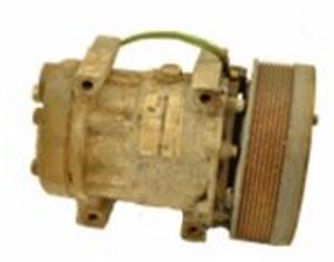
Don’t just swap out the compressor — figure out why it failed in the first place, so it does not happen again
Compressor failures usually happen because something else in the A/C system went wrong. This could be due to low refrigerant, issues with the electronic fan or fan clutch, a clogged condenser, voltage problems, or low oil in the system.
Here are some common reasons why your compressor might fail, whether it's the original or a replacement:
Low Refrigerant: Leaks or an undercharged system can limit the oil returning to the compressor. Oil isn't just a lubricant; it also helps keep the compressor cool.
Burnt Clutch: Caused by high pressure or voltage issues.
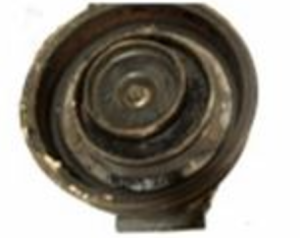
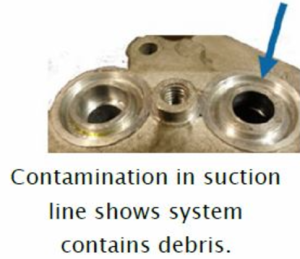
Old Oil and Contaminants: If the system wasn’t properly flushed during service, old oil or contaminants can quickly destroy a new compressor.
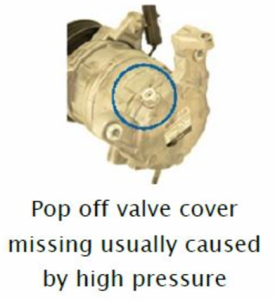
Inefficient Condenser: A blocked condenser, insufficient airflow, or a faulty air dam or fan can reduce efficiency and increase head pressure.
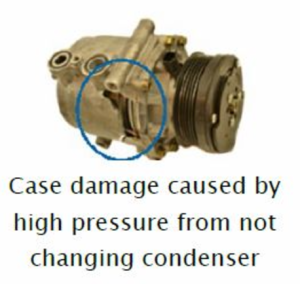
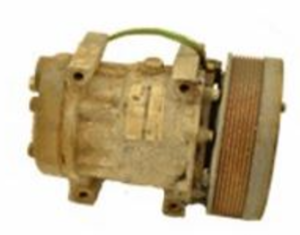
Environmental Exposure: Can cause external rust/oxidation.
Wrong Oil Levels or Type: Using the wrong oil or the wrong amount can cause the compressor to fail. Stick to the right type and amount of oil—the system doesn’t need extra.
Too Much Dye: Overusing dye can clog the system. Just 1/4 oz of dye is enough when the system is clean.
