

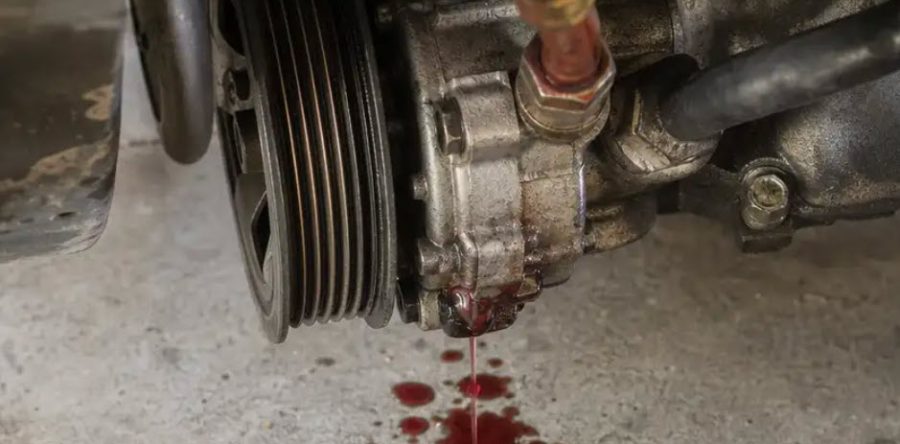
A failing power steering pump does not quietly retire. It announces itself with a whining groan every time you turn the wheel, leaves a reddish puddle under your car, and eventually makes parking feel like a workout. The average power steering pump replacement costs between $200 and $600 at a shop. But a mechanically confident DIYer can cut that cost in half by sourcing the right pump and doing the job themselves. This guide covers everything from diagnosing a steering fluid leak to completing a full pump replacement, written for people who actually turn wrenches.
Quick Takeaways
Whining noise is the first symptom - A high-pitched whine when turning the wheel, especially at low speeds, is the clearest early indicator of a worn or low-fluid pump.
Not all leaks come from the pump itself - The pump, high-pressure hose, return line, and rack seals are all common leak sources. Misdiagnosis wastes money on parts you do not need.
Flush the fluid when you replace the pump - Old, degraded fluid contains metal particles that accelerate wear in the new pump. A full flush takes 10 minutes and costs almost nothing.
Remanufactured pumps are a solid value - Quality remanufactured units perform as reliably as new OEM pumps at 40 to 60 percent of the price, provided they are sourced from a reputable supplier.
Air in the system causes immediate noise - Skipping the bleed procedure after replacing the pump will cause groaning and potential cavitation damage within days of driving.
Serpentine belt tension affects pump life - A loose belt causes the pump pulley to slip and overheat the pump. Always inspect belt condition and tension during replacement.
Verify part compatibility before ordering - Power steering pump fitment is highly specific to engine size and model year. A mismatch causes immediate installation failure or premature wear.
Warning Signs Your Power Steering Pump Is Failing
Most power steering pumps give you a clear warning window before they fail completely. The problem is that drivers often dismiss these symptoms as normal vehicle noise until the pump seizes or a major leak develops.
The sequence is predictable. First comes the intermittent whine when you hold the wheel at full lock. Then the whine becomes constant at low speeds. Next, steering effort increases noticeably, especially during parking maneuvers. By the time the fluid reservoir runs dry, you may already be dealing with rack damage caused by metal contamination from a disintegrating pump.
Specific Symptoms to Take Seriously
A steering fluid leak visible on your driveway is the most urgent signal. Power steering fluid is typically reddish or amber, and it has a distinctive oily, slightly burnt smell when it contacts the exhaust. Do not confuse it with transmission fluid, which is also red but thinner.
Stiff steering that improves after the engine warms up points to internal pump wear or a failing pressure relief valve inside the pump housing. Heavy steering that never improves, regardless of engine temperature, usually means the pump output pressure has dropped below operating spec and the pump needs replacement, not just a fluid top-off.
Diagnosing a Steering Fluid Leak: Where It Actually Comes From
In practice, the pump is only responsible for about 30 to 40 percent of power steering leaks. Before ordering a new pump, spend 15 minutes doing a proper leak inspection. Clean the entire power steering system with brake cleaner, run the engine for 10 minutes with a few full lock turns, then park and inspect with a flashlight.
The Four Most Common Leak Points
The high-pressure hose is the most frequent culprit after the pump itself. This hose runs from the pump outlet directly to the steering rack or gearbox under maximum system pressure, typically 1,200 to 1,500 PSI. The crimped fittings at each end corrode and weep fluid over time. A replacement hose costs $40 to $80 and takes 30 minutes to swap.
The return line is the low-pressure side running back from the rack to the reservoir. These lines crack at the hose clamps and at bends. Fluid here seeps rather than sprays, making it easy to overlook.
Rack and pinion seals are the third source. A slow, diffuse leak beneath the rack usually means the inner tie rod seals are gone. This is a bigger job involving rack replacement or a rebuild kit, but it is completely unrelated to the pump.
Finally, the pump shaft seal fails when the pump has high mileage or has run low on fluid repeatedly. You will see fluid weeping directly from the back of the pump pulley. This confirms the pump itself is the source.
Pro tip: Place a sheet of clean cardboard under the engine overnight before starting any repair. The location of the drip stain relative to the engine tells you exactly which component to inspect first, saving you an hour of guesswork.
Tools and Parts You Need Before You Start
Attempting a pump replacement without the right tools leads to broken fittings, stripped bolts, and a job that stretches across three days. Pull everything together before you drain the reservoir.
Essential Tools
You need a serpentine belt removal tool or a long-handled ratchet to release belt tension. A pulley puller and pulley installer set are non-negotiable on most domestic and foreign vehicles where the pump pulley is pressed on rather than bolted. Renting these from an auto parts store is a reasonable option if you do not own them.
A line wrench set in metric and standard sizes prevents rounding the fittings on the high-pressure hose. A standard open-end wrench will round a soft aluminum fitting on first contact. Spend the three minutes to use the correct tool.
A fluid suction pump clears the reservoir before removal. Rags, gloves, and eye protection are standard. Power steering fluid damages paint quickly, so cover any painted surfaces near the pump.
Sourcing the Right Replacement Pump
Part fitment for power steering pumps is specific down to the engine displacement and production year. A pump built for a 4.6L V8 will not work on a 5.4L version of the same truck, even if the physical housing looks identical. The internal pressure specs differ.
At BuyAutoParts.com, you can search by year, make, model, and engine to get an exact-fit pump. The site stocks both remanufactured and new units, which matters because some vehicles require a new pump due to design changes between production runs that make remanufactured cores unavailable.
Step-by-Step Power Steering Pump Replacement
This process covers the majority of belt-driven hydraulic pump installations on front-engine vehicles. Electric power steering systems do not use this type of pump and are an entirely different repair.
Draining and Disconnecting
Start with a cold or warm engine, never hot. Remove the reservoir cap and use a suction tool to empty as much fluid as possible. This reduces spillage when you disconnect the hoses.
Photograph the belt routing before removal. Disconnect the negative battery terminal. Use the belt tool to release tension and slide the serpentine belt off the pump pulley. On vehicles with a dedicated power steering pump belt rather than a serpentine setup, loosen the adjuster bolt and pivot bolt to relieve tension.
Place a drain pan under the pump. Use a line wrench to loosen the high-pressure fitting first, then twist and pull the return hose clamp and pull the hose free. Fluid will drain. Let it drain fully before proceeding.
Removing the Pulley and Pump
If the pulley is pressed on, attach the puller tool behind the pulley face and thread the center bolt against the pump shaft. Turn the center bolt clockwise until the pulley releases. Do not hammer the pulley off. Hammering destroys the shaft bearing on the new pump when you reinstall it.
Remove the mounting bolts and lift the pump out. On some V6 and V8 engines, one bolt is hidden behind the pump and accessible only with an extension and universal joint socket. Count the bolts on the old pump and match them on the new one before assuming you are done.
Installing the New Pump
Transfer any brackets from the old pump to the new unit. Thread the mounting bolts in by hand first, then torque them to spec. Most pumps call for 18 to 22 ft-lbs, but verify with your service manual for the specific vehicle.
Use the pulley installer tool to press the pulley onto the new shaft. The pulley face must sit flush with or no more than 1.5mm behind the shaft end, matching the original position. An off-center pulley causes belt misalignment and premature pump failure.
Reconnect the high-pressure line and torque the fitting to spec, typically 55 to 60 ft-lbs. Reattach the return hose and secure the clamp. Reinstall the belt following the routing photo you took earlier.
Comparing Power Steering Pump Options
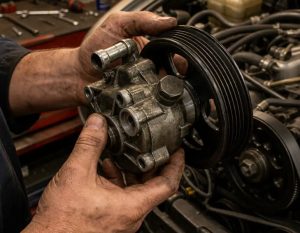
Choosing between a new OEM pump, a remanufactured unit, and a generic aftermarket pump is not a minor decision. The wrong choice costs you a second replacement within 18 months.
OEM New (Dealer) - $250 to $500+ Vehicles under warranty, late-model vehicles with tight engineering tolerances, owners who want exact OEM specifications and maximum longevity.
Remanufactured (Quality Supplier) - $80 to $180 - DIY mechanics, older vehicles with 80,000+ miles, situations where the original pump design was solid and the remanufacturer uses OEM-spec seals and testing.
Generic Aftermarket (Budget) - $40 to $90 - Short-term fixes on vehicles being sold soon, secondary vehicles with minimal mileage remaining. High failure rates within 12 months are documented for low-cost units.
The data consistently shows that remanufactured pumps from reputable suppliers perform within 5 to 8 percent of new OEM units on pressure output and longevity, provided the system is properly flushed and bled during installation. The failure point is almost always installation error or contaminated fluid, not the pump quality itself.
"A remanufactured power steering pump installed into clean fluid with correct belt tension will outlast a new budget pump installed into old, contaminated fluid. The fluid condition matters more than the pump price point." - Automotive Engineering Perspectives, Society of Automotive Engineers
Common Mistakes That Kill a New Pump Early
In practice, a significant portion of power steering pump warranty returns are caused by installation and maintenance errors rather than defective parts. These are the mistakes that consistently appear.
Running the System Dry After Installation
Starting the engine before filling the reservoir with fresh fluid is the single fastest way to destroy a new pump. The pump relies on fluid for both hydraulic operation and internal lubrication. Even 30 seconds of dry operation can score the internal rotor and vanes beyond recovery.
Fill the reservoir to the MAX line before starting the engine. Add fluid, wait 30 seconds for it to settle, check again, then start the engine.
Using the Wrong Fluid Type
Not all power steering fluid is interchangeable. Many Japanese vehicles require Honda or Toyota-specific fluid. Some BMW and European vehicles require Pentosin CHF 11S or similar hydraulic fluid. Using a generic universal fluid in these systems causes seal swelling and premature failure within 20,000 miles.
Check the reservoir cap and the owner's manual for the specified fluid type. The extra two minutes of research saves you from repeating this job.
Ignoring Belt Condition
A worn or glazed serpentine belt slips under the load of the power steering pump, especially during low-speed parking. The slippage generates heat at the pulley, which transfers into the pump housing and degrades the shaft seal. If your belt has more than 60,000 miles on it, replace it at the same time as the pump. The combined parts cost is negligible relative to the labor of doing two separate jobs.
Pro tip: After installation, do not immediately perform full-lock turns at idle. Instead, start the engine, let it idle for 90 seconds with small steering inputs, then gradually work up to full-lock turns during the bleed procedure. This prevents pressure spikes that stress new pump seals.
Bleeding the Power Steering System the Right Way
Bleeding is not optional. Air trapped in the hydraulic circuit causes groaning noises, inconsistent steering feel, and cavitation damage to the pump internals. A proper bleed takes 10 to 15 minutes and must be done before you drive the vehicle.
The Standard Bleed Procedure
With the engine off, fill the reservoir to MAX. Raise the front of the vehicle so the tires are off the ground. This allows full-lock steering inputs without resistance that would stress unseated seals.
Start the engine and let it idle. Slowly turn the steering wheel from full left lock to full right lock, pausing for two seconds at each extreme. Do this five times. You will see bubbles rising in the reservoir. Keep the reservoir capped loosely to prevent overflow but allow air to escape.
Turn the engine off and let the system sit for two minutes. Check the fluid level and top up to MAX. Restart and repeat the lock-to-lock cycle twice more. The fluid should now appear clear rather than foamy. If foam persists, there is still a loose connection introducing air, and you need to trace it before driving.
Checking System Pressure After Bleed
Proper pump output pressure for most passenger vehicles ranges from 1,000 to 1,500 PSI at idle with the wheels stationary. If you have access to a power steering pressure gauge (available at most rental counters), connecting it inline between the high-pressure hose and the rack confirms the new pump is delivering correct pressure. A reading below 800 PSI suggests an internal pump issue or a restriction in the hose.
If you do not have a pressure gauge, the practical test is straightforward. The steering should feel noticeably lighter than before the repair, with no noise during normal cornering. Noise only at full lock is acceptable and normal in many vehicles. Noise during straight-line driving or normal turns indicates a problem requiring further diagnosis.
Frequently Asked Questions
How long does a power steering pump last before it needs replacement?
Most power steering pumps are designed to last 100,000 to 150,000 miles under normal operating conditions. Vehicles that have frequently run low on fluid, experienced overheating, or used the wrong fluid type often see pump failure between 60,000 and 80,000 miles. Regular fluid checks every 30,000 miles extend pump life significantly.
Can I drive with a leaking power steering pump?
You can drive short distances with a slow leak if the fluid level is monitored constantly, but this is not a safe long-term approach. A low fluid level causes pump cavitation, which generates metal particles that circulate through the entire system and can damage the steering rack. A complete fluid loss makes steering dangerously heavy at low speeds and in parking situations. Address a steering fluid leak within one week of discovery.
What type of power steering fluid should I use after pump replacement?
Use the fluid specified in your owner's manual or on the reservoir cap. For most domestic American vehicles, a standard ATF or universal power steering fluid works. Honda, Acura, Toyota, and Lexus vehicles require manufacturer-specific fluid. European vehicles often call for Pentosin CHF 11S or equivalent synthetic hydraulic fluid. Using the wrong type degrades the new pump seals within 10,000 to 15,000 miles.
How do I know if my power steering problem is the pump or the rack?
If the noise and heavy steering are accompanied by fluid leaking from the center of the vehicle beneath the dashboard area, the rack is the more likely culprit. If the noise comes from the engine bay and the fluid leak is near the pump or along the high-pressure hose, the pump or hose is the source. A pressure test is the definitive diagnostic method. Plug a pressure gauge into the high-pressure port on the pump. If pump pressure is within spec but steering is still heavy, the rack has an internal bypass problem.
Is power steering pump replacement a realistic DIY job for someone with basic mechanical skills?
Yes, with one important caveat. The pulley removal and installation require specific tools that most casual DIYers do not own. Renting a pulley puller and installer from a parts store costs $20 to $30 and makes the job straightforward. Without those tools, the job becomes unnecessarily difficult and risks damaging the new pump during installation. If you own a basic socket set, wrenches, and can rent the pulley tools, this is a manageable two to three hour job.
Do I need to replace the power steering hoses when I replace the pump?
You do not need to replace hoses automatically, but inspect them carefully during the repair. The high-pressure hose should be replaced if it shows cracking, swelling, or fluid seeping from the crimped ends. A failed hose after a pump replacement means draining and refilling the system again, which costs more time than replacing the suspect hose during the initial job. If the hose has more than 100,000 miles on it, replacing it as preventive maintenance alongside the pump is a reasonable call.
