

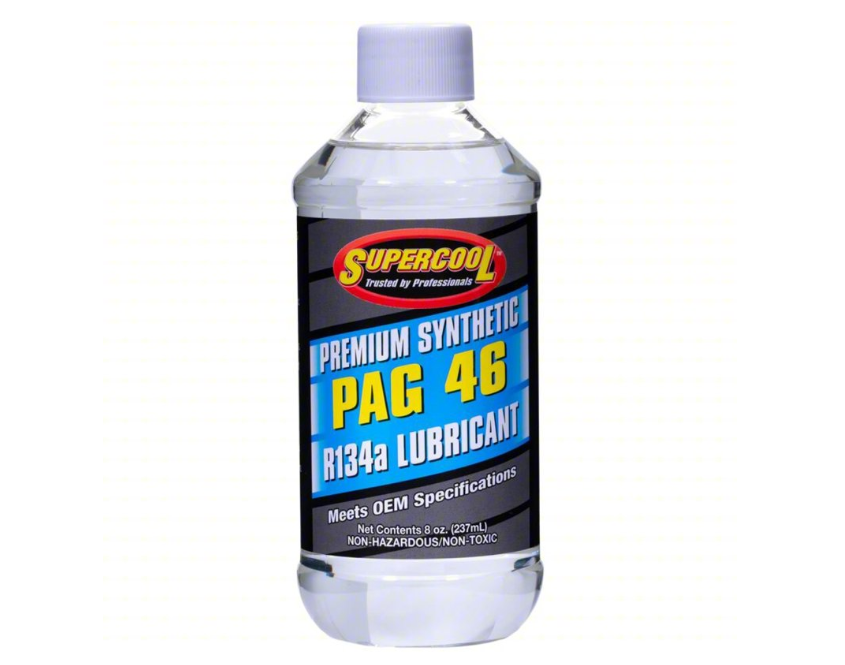
The right type and amount of oil are crucial for your A/C system's performance. Always check the manufacturer specifications, usually found on the under-hood decal, for oil and refrigerant charge details.
Why Oil is Essential for Your A/C System:
Lubrication: The A/C compressor needs oil to reduce friction and prevent metal-to-metal contact. Proper lubrication minimizes premature failure, excess wear, and damage from contaminated oil in other parts of the A/C system.
Heat Exchange: Oil helps dissipate heat generated by the compressor as it pressurizes refrigerant.
Seal Preservation: Keeping seals and O-rings lubricated prevents premature breakdown, which can lead to leaks in the A/C system.
Best Practices:
Drain the Oil from a Failed Compressor: This can provide valuable information about the cause of failure. If significantly less oil drains out than expected, it indicates a leak.
Oil Color Indicators:
Yellow Oil: Indicates a well-functioning system.

Green Oil: Shows the presence of dye.
Red Oil: Suggests moisture contamination, indicating the system was exposed to the atmosphere, possibly leading to corrosion and failure.

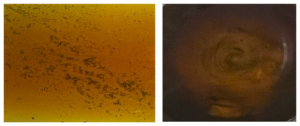
Dark Oil with Metal Particles: Indicates internal damage, such as bearing or piston failure. Low oil levels due to undercharging or leaks can increase friction and wear, resulting in metal particles.
Note:
Hybrid/Electric Systems: Use Polyol Ester (POE) oil, a non-conductive oil with high dielectric properties. Using PAG oil can degrade the insulating properties of the electric motor windings.
Oil Drain Plugs: For compressors like Denso 7SBH17C, V5, V7, Sanden, and 7SEU, the oil drain plugs must be removed to drain oil. This process can take some time due to the compressor design.
Late Model Compressors: Some are designed with an oil separator and may have a low oil capacity, requiring more time to properly drain.
