

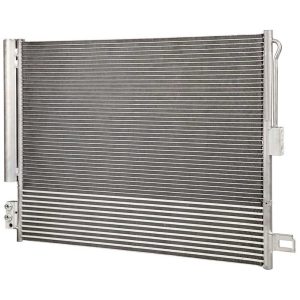
Most modern vehicles use parallel flow style a/c condensers. Leading aftermarket suppliers have also updated original serpentine and piccolo air conditioning condenser styles to more efficient parallel flow replacements. Keep in mind, the refrigerant charge can vary based on condenser design, so you might need to adjust it if you're swapping a factory condenser for an aftermarket parallel flow style. Temperature testing is the best way to ensure the right condenser charge.
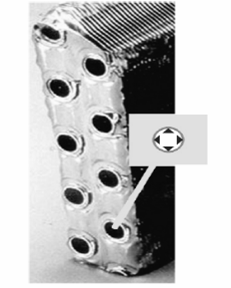
The image on the left is an example of a 1st generation OE or Aftermarket design. It has 3/8" tube and fin and works with R-12 refrigerant.
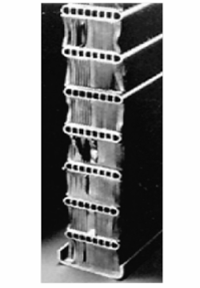
The image on the left is a first generation serpentine. This is the first high efficiency design. It works with late R-12 and early R-134a refrigerant.
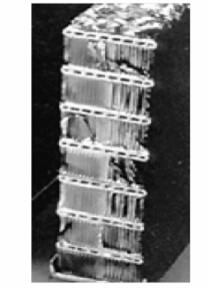
The image on the left is a second generation serpentine. It has more passages closer together. This cannot be flushed completely!
Why Parallel Flow Style Condensers are More Efficient?
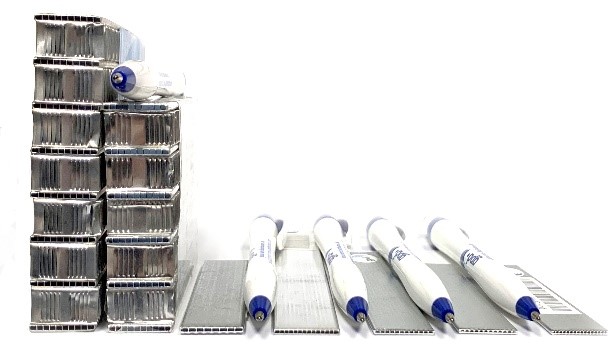
Parallel flow a/c condensers have a multi-channel design with 400-600 tiny tubes, each less than 1mm in diameter. This setup maximizes heat transfer by spreading the refrigerant across a larger surface area.
Why Can’t You Flush Parallel Flow Style Condensers
Despite their cooling efficiency, the tiny tubes in parallel flow condensers trap any contaminants in the system. Even small debris can block refrigerant flow, causing high head pressure and compressor damage. These blockages can't be cleared with a flush, so you need to replace the condenser.

The image on the left shows how the average diameter of internal tubing is smaller than the size of a ballpoint pen head. This makes flushing pretty much impossible.
BuyAutoParts.com recommends flushing the system and replacing the condenser along with the compressor. Any leftover contaminants from a failed compressor can lead to repeated failures.
